The ceramics industry is once again facing a scenario it knows all too well: energy uncertainty. Industry experts warn that if the geopolitical conflict in the Middle East continues over the next few months, there could be new tensions on oil prices and, by extension, on the cost of natural gas, a strategic resource for a highly energy-intensive industry.
The context is particularly sensitive for the Spanish ceramic cluster, with a strong industrial concentration in Castellón. After several years marked by cost volatility, companies are once again analyzing risks related to production, competitiveness and planning capacity.
When geopolitics directly impacts logistics
The relationship between international conflicts and supply chains is no longer a theoretical hypothesis: it is an operational reality. One of the main areas of concern is maritime and energy transit through strategic routes such as the Strait of Hormuz, a key area for international trade in energy and raw materials. Limitations or disruptions in these corridors can trigger knock-on effects on multiple industries.
Beyond the direct impact on oil and gas, raw materials, chemical intermediates, fertilizers and other essential components for manufacturing sectors are also affected.
The challenge is no longer to react: it is to anticipate.
In scenarios of high uncertainty, companies need predictive capacity and visibility over their supply chain. Digital transformation thus becomes a strategic factor to reduce operational risks and increase resilience.
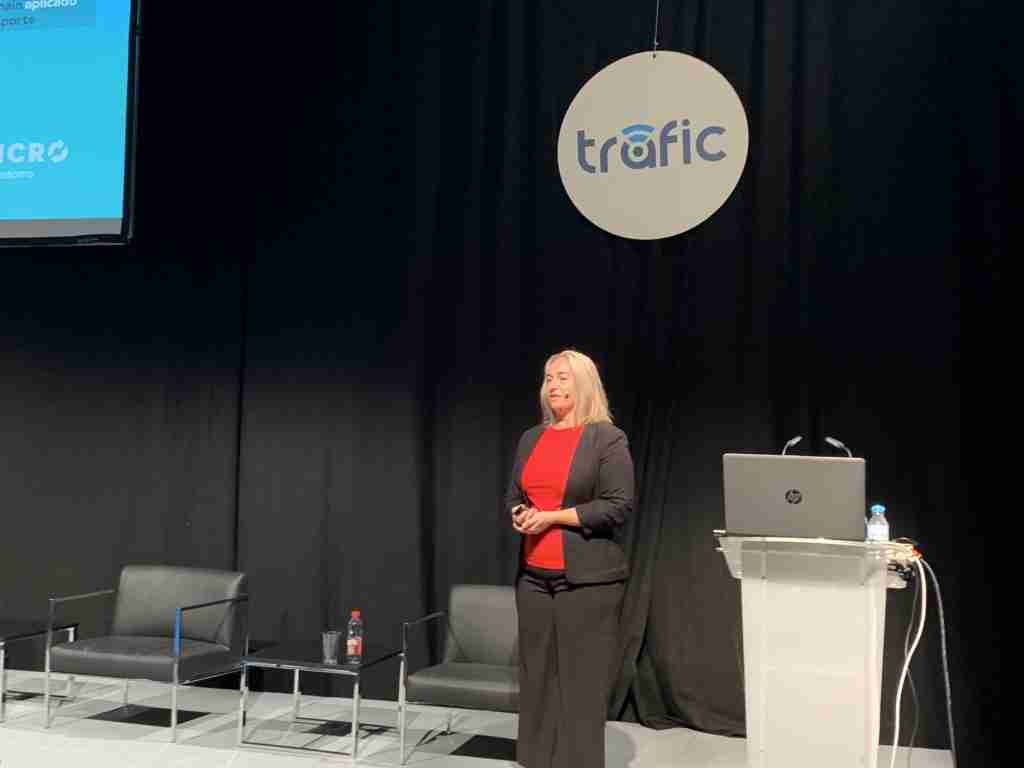
Precisely during the VII Jornada Vigilancer it was highlighted how technological tools such as blockchain and artificial intelligence are allowing a more efficient management of supply chains, facilitating:
- Increased traceability of goods and documentation.
- Reduction of administrative frictions.
- Early detection of incidents.
- Increased ability to react to changes in the environment.
- Optimization of logistic and operational processes.
In an environment where geopolitical, energy and commercial changes can rapidly alter the market, having connected data and digitized processes is no longer a competitive advantage but a strategic necessity.
Towards more resilient supply chains
The current uncertainty is a reminder of a lesson that many companies have learned in recent years: stability can no longer be taken for granted. Building supply chains that are more flexible, connected and able to adapt quickly will be one of the keys to maintaining industrial competitiveness in the coming years.
Original news for more information: